Vintage Sterling Silver Is Trending—Here’s Your Guide to Buying and Collecting It
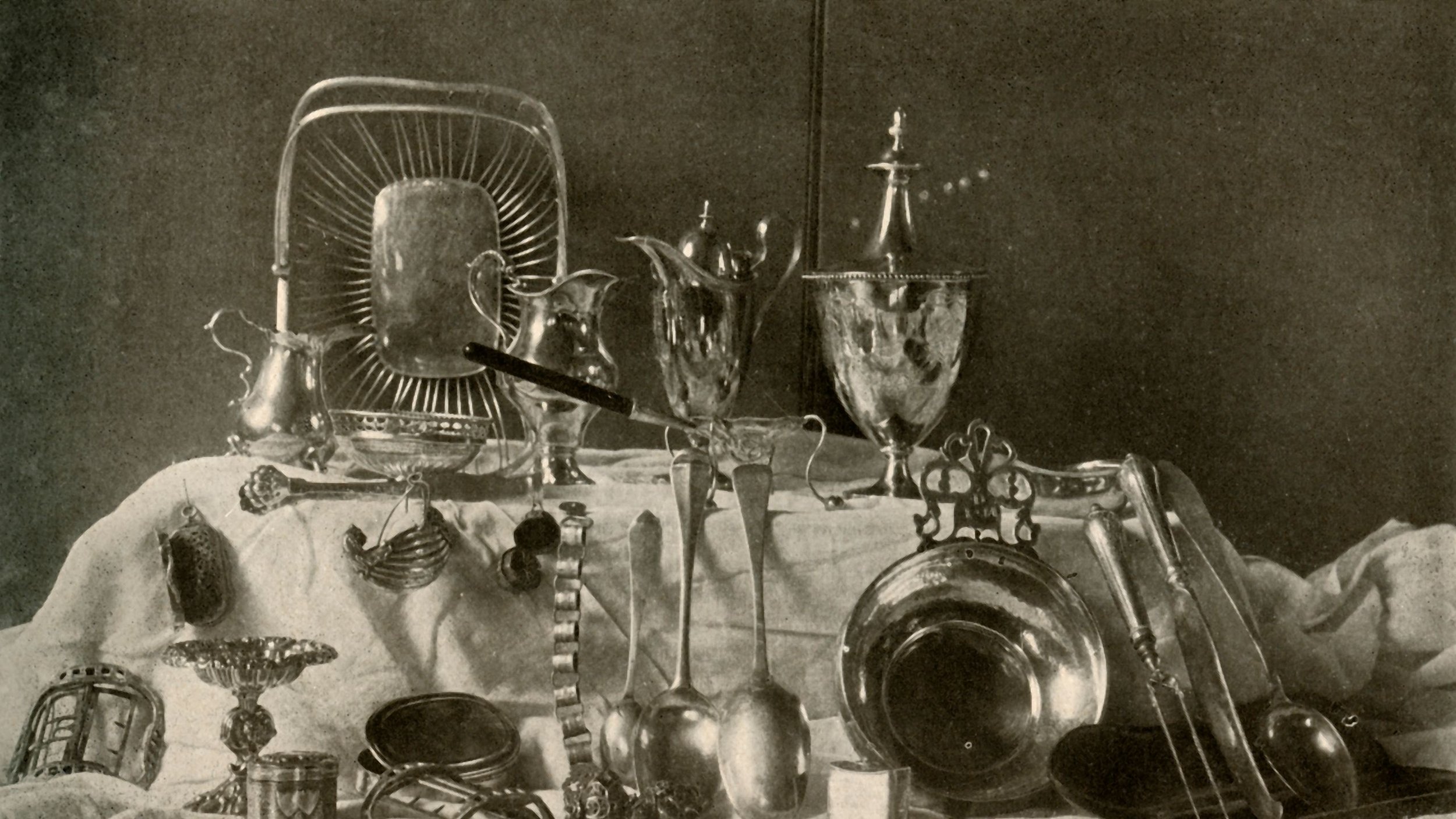
“The first sterling silver objects I fell in love with were modernist cocktail shakers,” muses John Stuart Gordon, the Benjamin Attmore Hewitt Curator of American Decorative Arts at Yale University Art Gallery. “They were a whole microcosm in one object type, referencing Jazz Age aesthetics, skyscraper architecture, new materials, the politics of Prohibition, and early-20th-century gender roles.”
For many like Gordon, it’s the stories and history that silver contains that makes it such an alluring material to collect. And as Vogue reported at the end of 2025, silver is finding its way into the hearts of a new generation. Eager to join them? Here’s what you need to know about sourcing, buying, and using silver.
Read More
A Renewed Purpose for Heath Ceramics
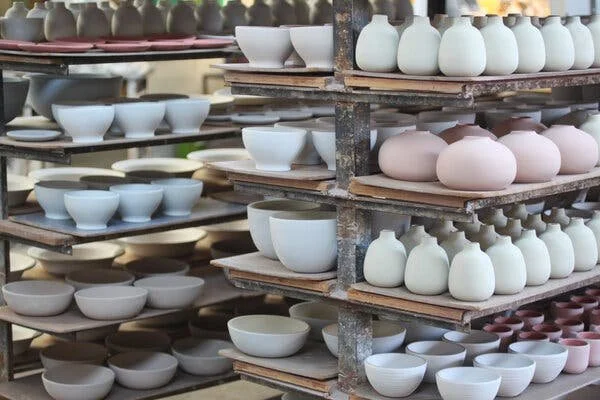
In 2003, Catherine Bailey and Robin Petravic, a married couple of industrial designers, bought an ailing 55-year-old Bay Area pottery called Heath Ceramics and transformed it into a showplace of midcentury modern revivalism. Continuing to produce locally, with factories in Sausalito and, later, San Francisco, they updated the streamlined monochromatic tableware designed by Edith Heath, the company’s co-founder, and added many new products, including dinnerware created with Alice Waters for Chez Panisse. (The legendary Berkeley restaurant, with its earthy, unpretentious California Modern sensibility, is in many ways Heath’s culinary twin.)
Read More
How to Renovate a Midcentury Bathroom (Without Sacrificing Its Soul)
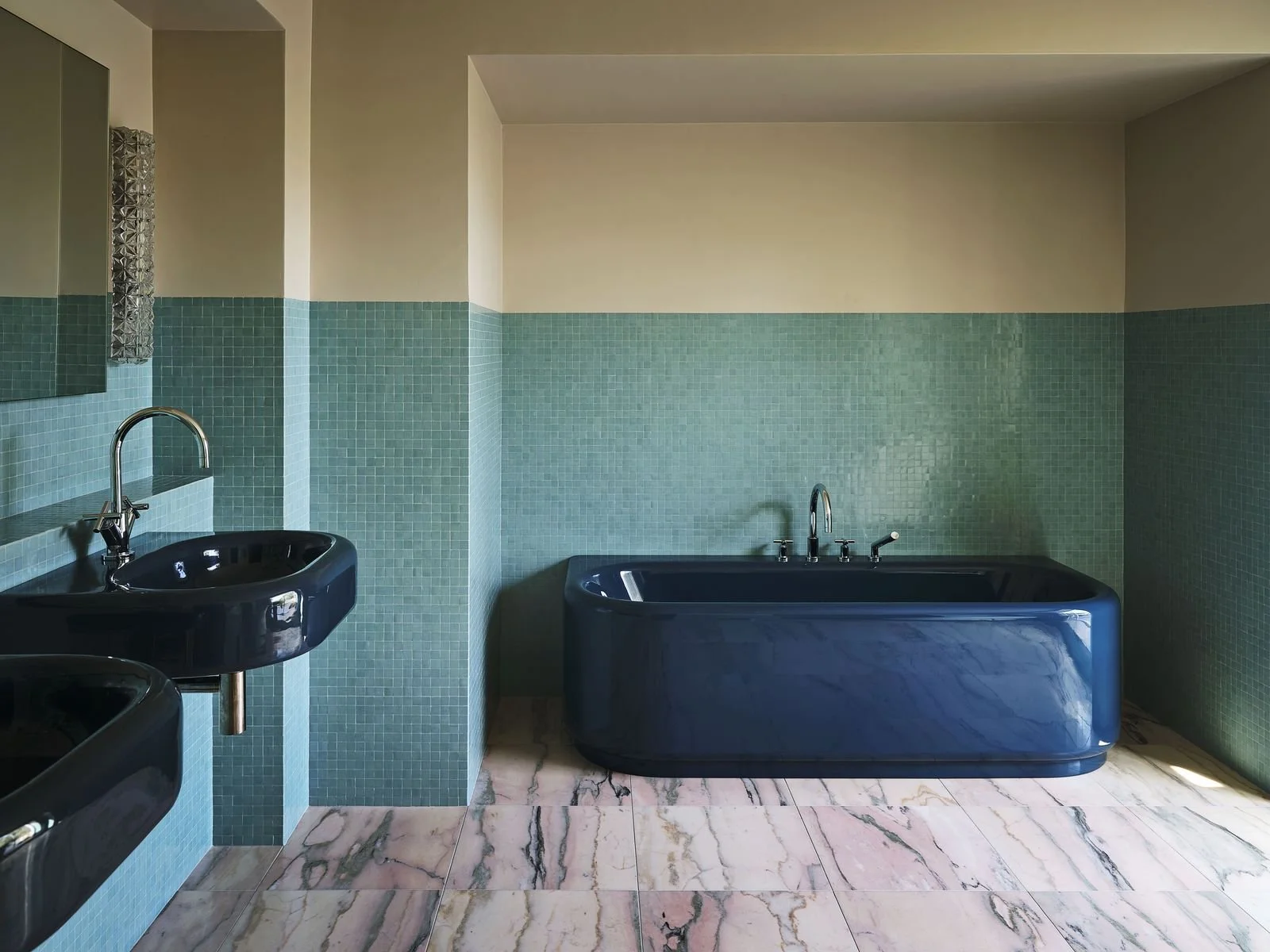
A midcentury bathroom presents a particular renovation dilemma. Gut it and you erase the period character that gives the whole house meaning, but leave it as is and you often end up with something too small, too worn, or too inflexible for contemporary life. The question designers are asking is: How do you honor the soul of a postwar bathroom while making it livable for today?
Read More
Trailblazing Architect Paul R. Williams's Home in LA’s Lafayette Square Gets a New Lease on Life
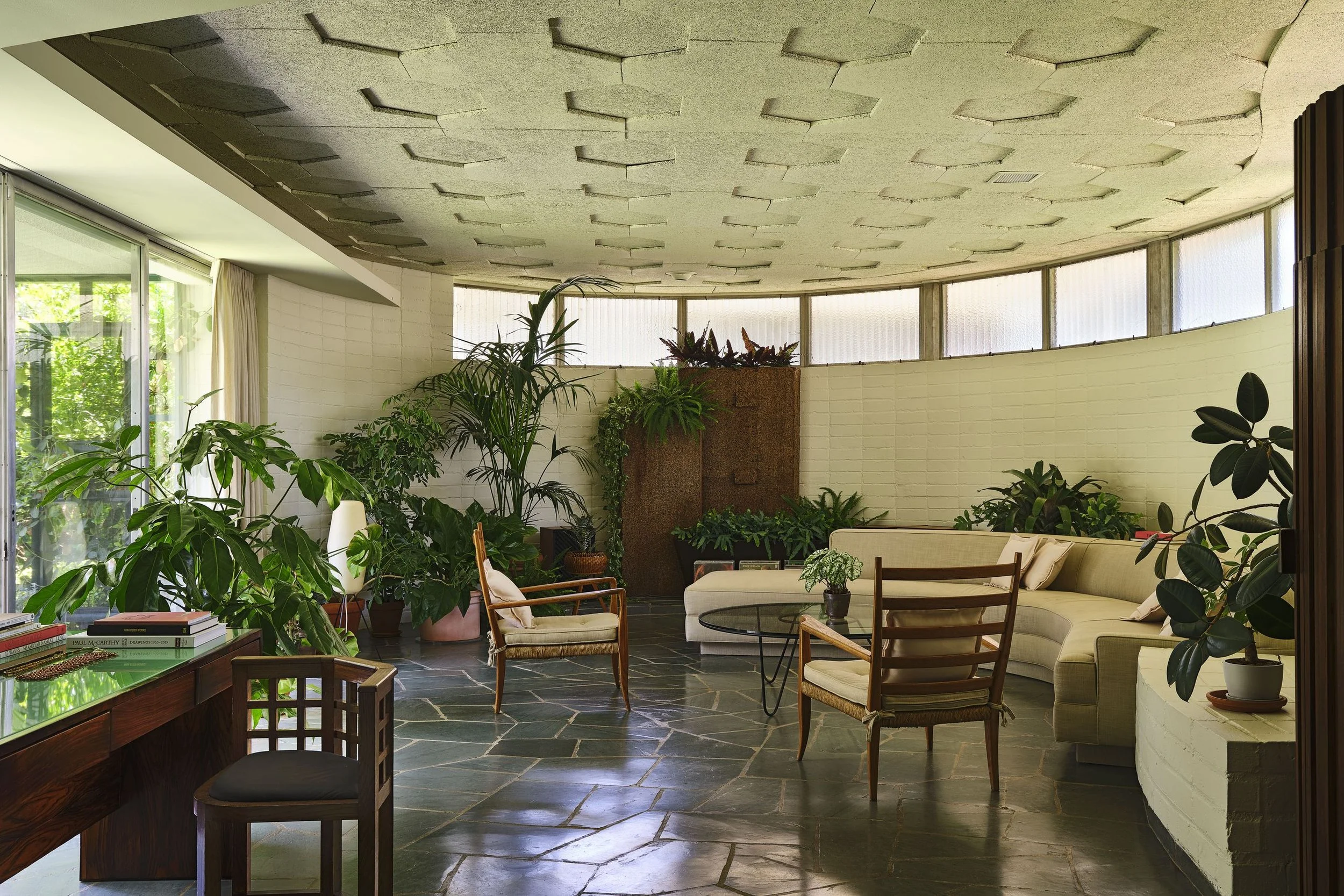
In 1952, Paul R. Williams—the first African American architect licensed west of the Mississippi River—built a beautifully proportioned International Style home in the Los Angeles neighborhood of Lafayette Square for a client who would not have been legally permitted to live there just four years earlier: himself. Designed for him and his wife after their children were grown, Williams lived there until his death in 1980, and it remained in the family until 2018. That’s when its present owner, a woman whose career in the arts often affords her the chance to work with artists’ estates, recognized this place as a “primary text” and heeded an “impulse to protect and shepherd” this important piece of Williams’s legacy.
Read More
1976: Postmodern America
“The past is a rich treasure trove from which we can borrow all the marvelously romantic ways and means to turn our own homes into deeply satisfying environments.” It reads like something from a 1930s society magazine, in the throes of the colonial revival. In fact, it’s from The Treasury of Ethan Allen American Traditional Interiors catalogue, dating to 1976. This particular section, devoted to the “Heirloom” line of Ethan Allen furniture, has a tagline more prescient than the authors ever intended, echoing the phrase coined by literary critic Van Wyck Brooks in 1918: “the usable past.” If the past is, after all, a treasure trove, what are we waiting for?
Read More
Everything Must Go
In the mid-1980s, fragments of orange plastic Garfield telephones began washing up on the shores of Brittany’s Iroise Coast in Western France, sometimes nearly whole, sometimes in small pieces. Over the course of nearly four decades, thousands of Garfields have appeared on the beach like seashells: striped, orange, smiling, and weathered from years of bobbing along the waves. The mystery of the téléphones Garfield baffled locals for decades, and continues to cause concern for the local waterways. Full of diverse marine life and home to a very old fishing community, the Iroise Marine Nature Park was named France’s first protected marine area in 2007. The French anti-litter organization Ar Vilantsou has made the Garfields a symbol of beach pollution in the area.
Read More
See Frank Lloyd Wright’s Final Design, Revealed for the Very First Time
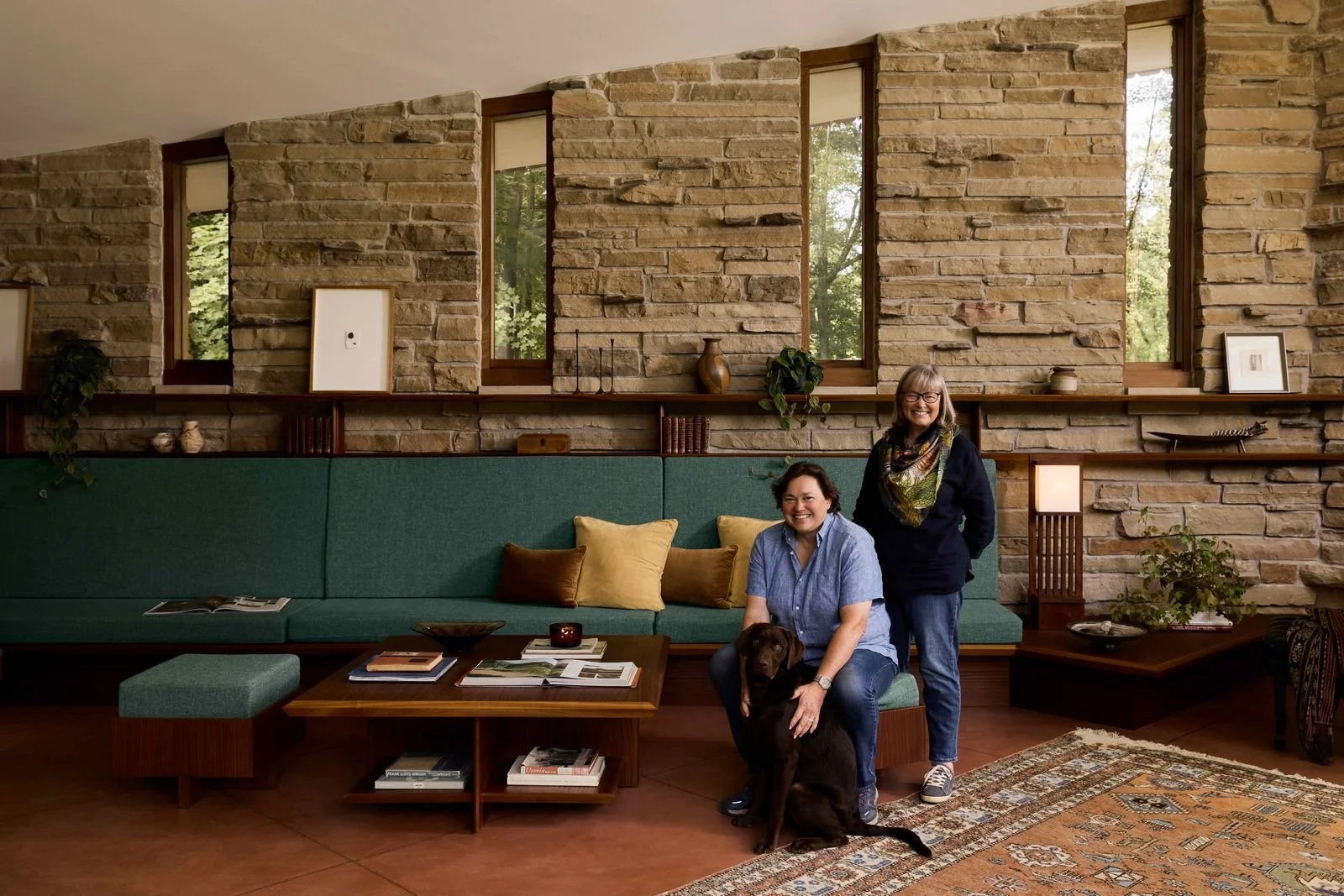
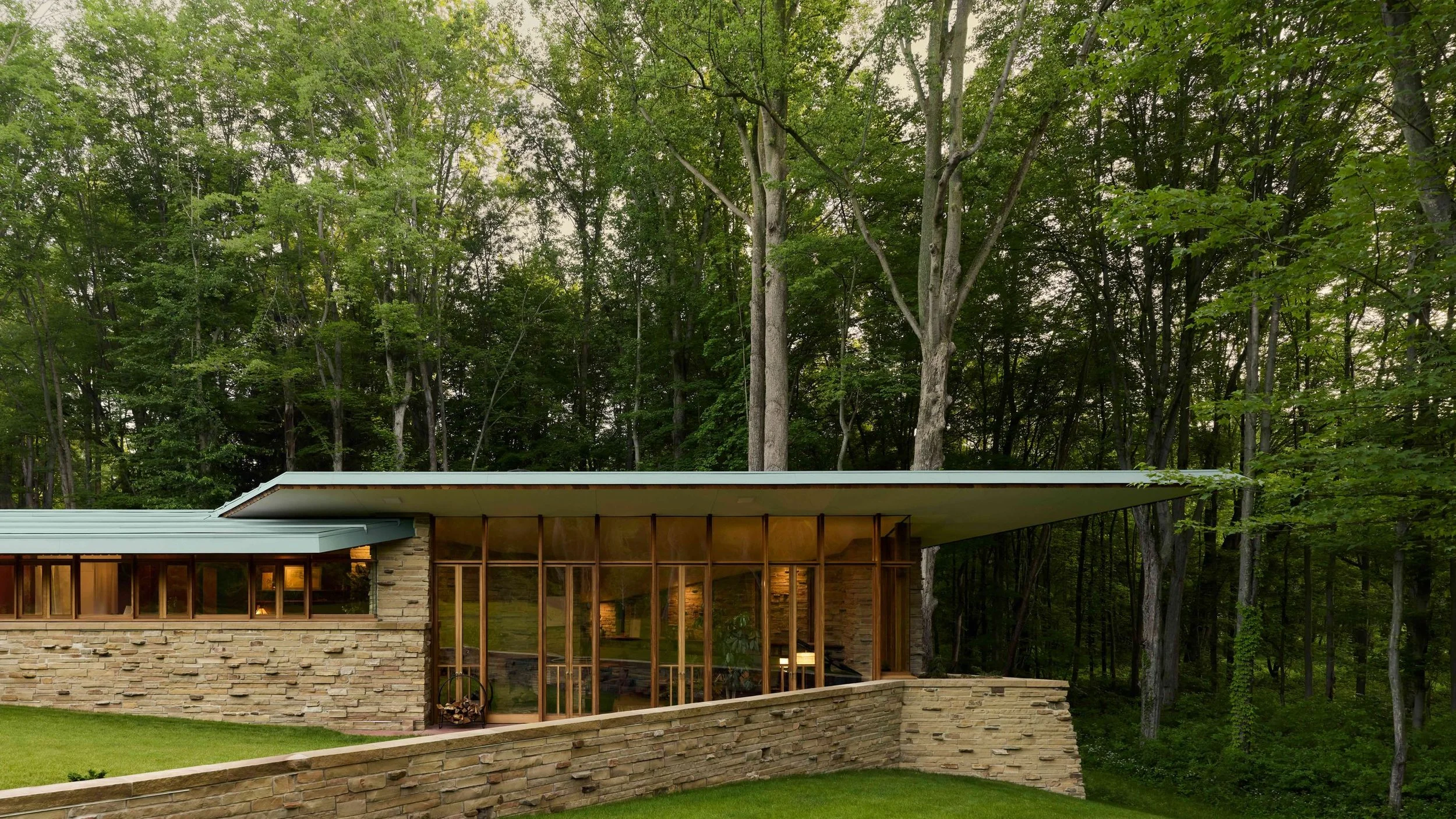
Over the course of four episodes, viewers of The Last Wright have watched Frank Lloyd Wright’s last design come to life, as mother-daughter team Debbie and Sarah Dykstra built a home based on a long-lost set of plans by the legendary architect. Tonight at 8 p.m. ET on Magnolia Network, fans will get to see the completed house revealed. Wright’s design for a Usonian house he called Project #5909 had been on his drawing board when he died in 1959. The dwelling was meant for his client Louis Penfield, who already had one home designed by Wright (built in 1953) on his property in Willoughby Hills, Ohio.
Read More
How “Trading Spaces” Made Us Over
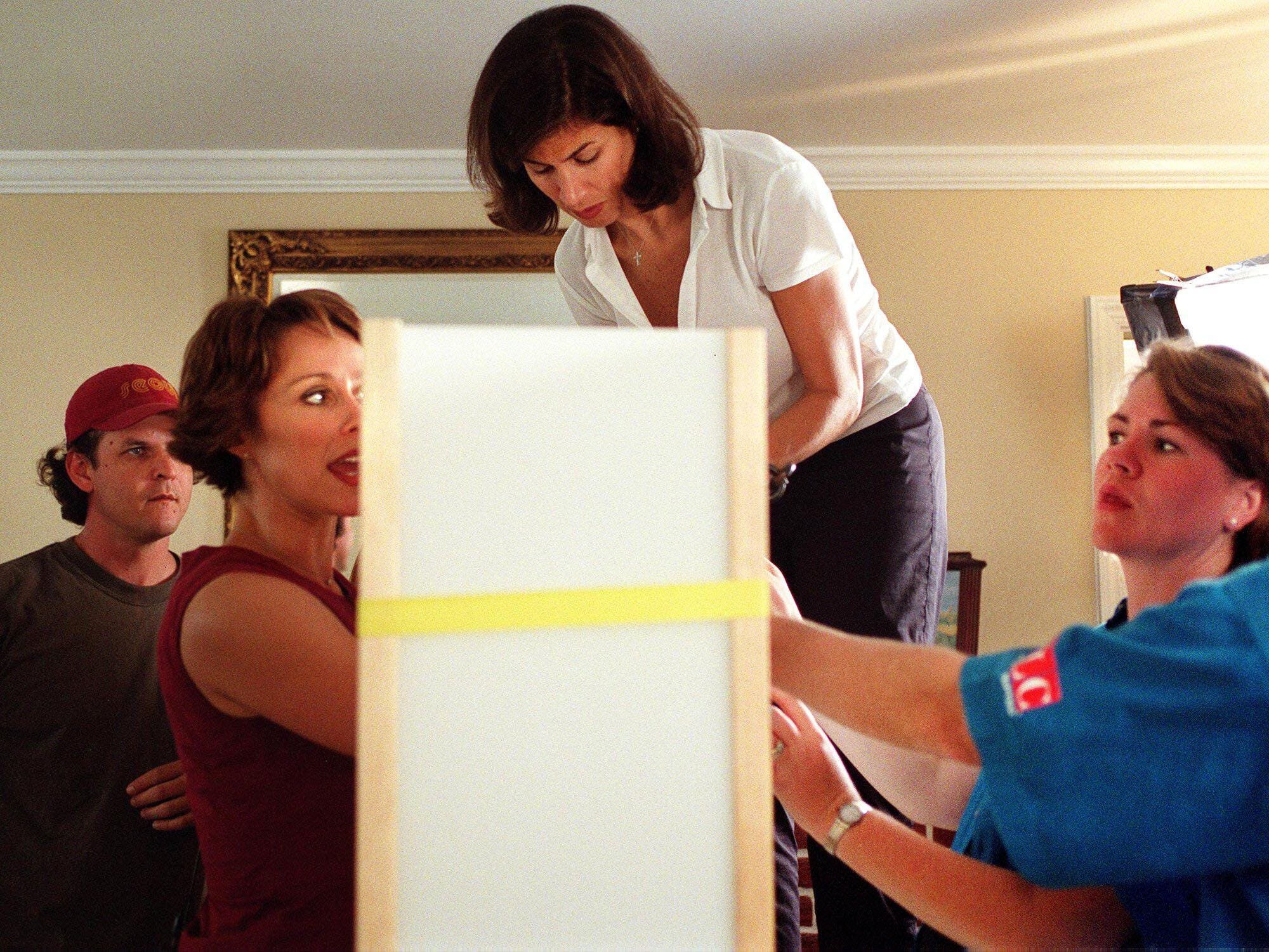
If you were domestically inclined in the early ’00s and you liked watching interior design makeovers on TV, there were few options available to you. In retrospect, this is staggering to contemplate. In 1994, HGTV took to the airwaves in 44 markets across the United States reaching about 6.5 million households. Though it got off to a relatively slow start, within a few years it was picking up steam, with 64.2 million viewers by 2000.
Read More
Inside the Waldorf Astoria's dazzling restoration, from cigar smoke to snowy owls
A great hotel should welcome its guests with thoughtful amenities and a timeless sense of style, but when you’re the Waldorf Astoria, New York's Art Deco Grand Dame, there’s no use in disguising a majestic history. Nowhere else in Manhattan can you meet a friend 'by the clock' and find yourself at the foot of a spectacular timepiece commissioned by Queen Victoria for the World’s Columbian Exposition in 1893, or casually admire Cole Porter’s Steinway piano on your way to the bar.
Read More
Frank Lloyd Wright’s Final Design Was Finished 66 Years After His Death—And You Can Watch Its Construction
Mother-daughter team Debbie and Sarah Dykstra set themselves a challenge most people wouldn’t take on: building a home using the plans from a 1959 design by Frank Lloyd Wright. Starting September 3, you can watch the whole process on The Last Wright: Building the Final Home Design of America’s Greatest Architect, which premieres on the Magnolia Network and will stream on HBO Max the following day. Executive-produced by Chip and Joanna Gaines, this four-part series follows the complex construction of RiverRock House, which is based on the last architectural plans—a Usonian house known as Project #5909—that Wright drafted before his death in 1959.
Read More
Field Notes: Reading The Room
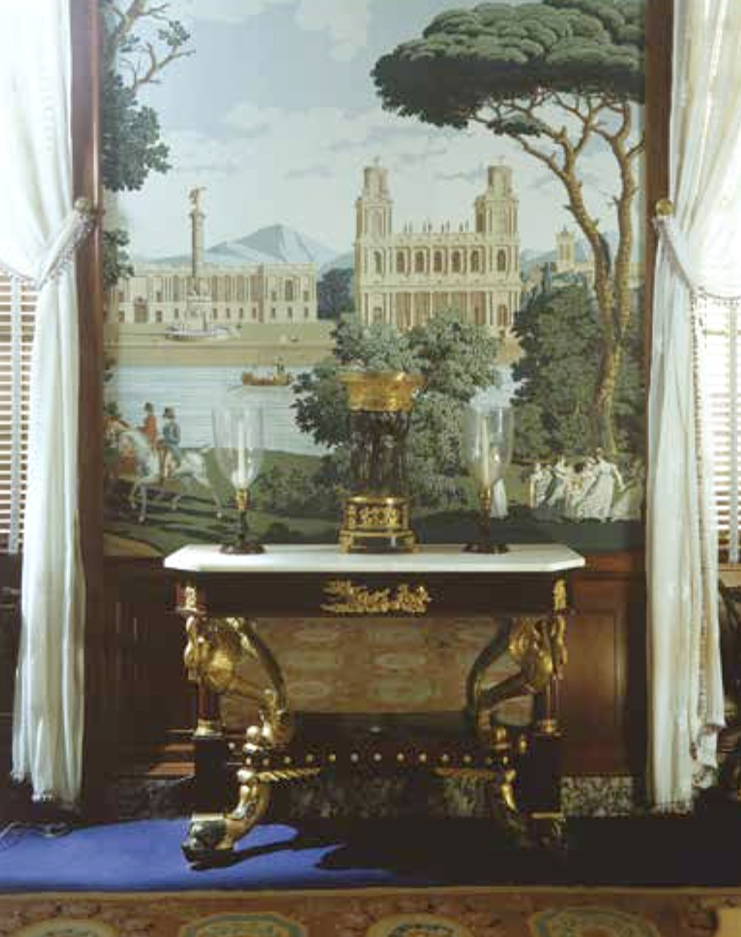
Who are you in a period room? It’s a tricky question, and it depends in part on your personal understanding of how time travel might work. You could imagine yourself exactly as you currently are, teleported back through time to, say, the Federal period or the Gilded Age. You might revel in certain aspects of it: the clothing and hairstyles, the furniture, the food and drink, the humor and music, novels and poetry, even the history unfolding around you. But more than likely, you might be ready to hop back into the time machine after about ten minutes of life in the nineteenth century.
Read More
In Defense of China Cabinets
A few years ago, my husband and I began looking for a china cabinet. We needed something with big glass doors that would protect its contents and harmonize with our existing furniture, that wasn’t a 1930s reproduction of a piece of Rococo case furniture, wasn’t something we would have to assemble ourselves, and wouldn’t cost as much as a new car. We’d been meaning to do this for years, and it was only when it became clear that our ceramics collection was on a high-stakes collision course with our cats that we got really serious about it.
Read More
See This: Susumu Shingu’s Dynamic Sculptures, on View at the Japan Society in New York
For much of his six-decade career, the artist Susumu Shingu has made sculptures that interact with nature. When his first solo museum exhibition in the United States, “Susumu Shingu: Elated!,” opens at the Japan Society on June 20, visitors will encounter “Silent Water” (2024), which comprises two rotating aluminum-and-stainless steel polygonal hemispheres powered by water collected from a garden pool in the museum’s foyer — a nod to Shingu’s early water-powered creations for Expo ’70, the first world’s fair to be held in Osaka.
Read More
Formafantasma Digs into Referents and Rectangles
There are numerous human markers to consider in the context of a domestic setting: gender, age, culture, geography, and style among them. Think through each one, and you might envision spaces personalized with various mementos, or a particular color palette, depending on the demographics of its primary inhabitant. But if asked to sketch a typical living room with limited instructions, many of us would start with a rectilinear sofa and some chairs, then add a coffee table, a television set, and perhaps a pair of lamps on a set of end tables. Art over the sofa, small decorative objects, and books might complete the scene.
Read More
Step Inside Castle Howard, a British Icon in the Midst of a Major Restoration
If you recognize the great domed silhouette of Castle Howard in North Yorkshire, England, it might be because you remember either the 1981 television production or the 2008 film version of Brideshead Revisited, based on Evelyn Waugh’s classic novel of class, aristocratic English Catholics, and World War II. In both adaptations, Castle Howard stood in for the stately house at the center of the drama. But the Baroque palace’s own story is even more captivating than any fictional account, as Remy Renzullo, the young American interior designer currently working on the still-private residence’s update, can attest.
Read More
"Hanahana" Polished Steel Flower Stand Designed by Kazuyo Sejima for Driade
KAZUYO SEJIMA is a Japanese architect. She is known for designs with clean modernist elements such as slick, clean, and shiny surfaces made of glass, marble, and metals. She also uses squares and cubes, which can be found in her designs in various degrees. Large windows allow natural light to enter a space and create a fluid transition between interior and exterior. It's this connection of two spaces from which she draws her inspiration.
Read More
A Philadelphia Glass Artist Has Made a Secular Sanctuary for the Ages
“Super/Natural” — an immersive, dome-shape work of art in stained glass by Judith Schaechter — is really best experienced from the inside. Step through its small portal, and in the right light you will be surrounded by the polychromatic glow of birds, stars, insects and fantastical plants and roots. Earlier this year, I was able to experience it myself in Schaechter’s home studio and felt a curious combination of serenity and awe.
Read More
The Marble Chest Inspired by Palestinian Embroidery
Nisreen Abu Dail and Nermeen Abu Dail wanted to make something special for their young niece, Shams (“sun” in Arabic). As the founders of the 16-year-old design studio Naqsh Collective in Amman, Jordan, the sisters turned a retrospective eye to their own Palestinian heritage and translated the bold patterns of traditional embroidery into a marble bridal chest. Nisreen, an architect in Amman, said the chest was inspired by a Palestinian wedding custom in which women assemble trousseaus from an early age. On the wedding day, “There is a tradition that the bride will sit on top of a chest that is filled with her precious wares,” she said.
Read More
For an Indian Textiles Designer, It Takes Many Villages
Chintz, khaki, calico, gingham and yes, pajamas: India’s role in the global textile trade has been so profound that its lexicon has shaped the way we describe fabrics, patterns and clothing. Similarly, Indian design motifs have remained durable worldwide symbols: If it’s eternally chic paisley you want, look no further than a silk scarf from Yves Saint Laurent. One word not typically associated with Indian aesthetics, however, is “modernism.” The world’s appetite for color and exuberant detail has kept the country’s tiger, peacock and teardrop motifs in circulation.
Read More
Palm Springs Modernism Week 2025: AD PRO’s Essential Guide to the Midcentury Festival
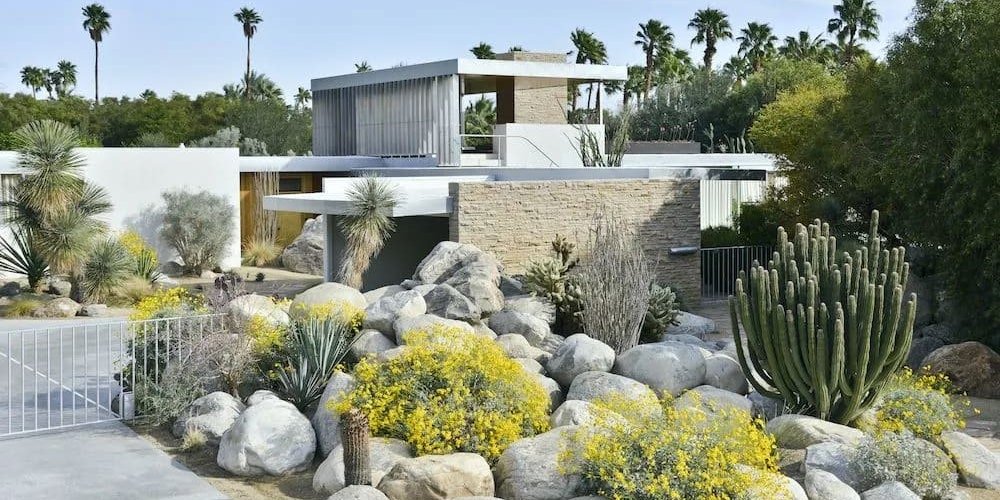
Palm Springs is a multicolored marvel in the desert, and visiting—especially during Palm Springs Modernism Week—can feel like stepping out of a time machine and into a Doris Day movie. Perched at the edge of California’s Coachella Valley, a dry, rocky landscape gives the surroundings of this city of about 45,000 people a muted color palette, but the vivid hues of midcentury-modern architecture (think canary yellow front doors, crisp white breeze blocks, and the occasional pink flamingo) give it the feel of a Slim Aarons photograph come to life.
Read More